
London Bars and Hinge Bolts to Strengthen Your Front Door
TopRatedLocksmiths.co.uk · 7 October 2026
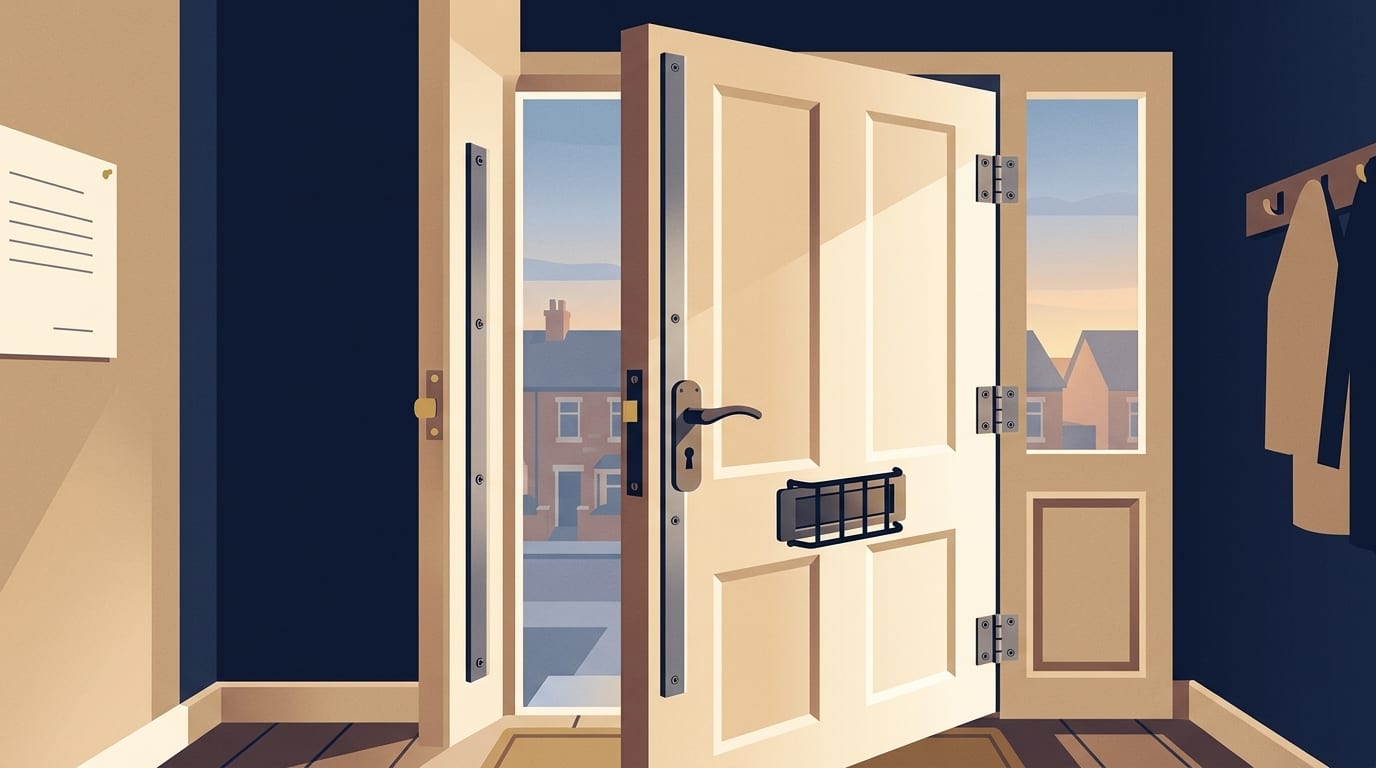
A strong lock is only as good as the frame it locks into and the hinge side of the door. If you have a solid door but worry the wood around it might give way, a locksmith can strengthen both sides using steel bars, hinge bolts and a letterbox guard. Most of this work can be done in a single visit to give your home a much higher level of security.
Why the frame is often the weak point
Many timber front doors have good locks but are let down by the frame. A traditional timber door usually has a mortice deadlock or sashlock fitted inside the door, and higher up you will often find a night latch or rim lock, which is the surface latch often called a Yale lock. The key operated part on the outside of this latch is called a rim cylinder.
When you lock these devices, a metal bolt shoots into a keep screwed into the door frame. If pressure is applied to the outside of the door, a weak frame can split or splinter around that metal keep. The MLA guidelines note that the door itself, the frame thickness, the material quality and the fixings attaching the frame to the wall all affect your level of security.
A locksmith will look at several factors to decide if your frame needs reinforcing:
- The condition of the timber around the lock keep and hinges
- The length of the screws holding the keep into the wood
- The strength of the fixings securing the door frame to the brickwork
For a timber door to hold a mortice lock securely, the door itself must be at least 44 mm thick. If you have a solid timber door of the right thickness, you can usually strengthen the frame rather than replacing the whole door. To understand the locks themselves, read our guide to the types of front door lock.
What London and Birmingham bars are
A locksmith can reinforce a wooden door frame by fitting thick steel bars directly to the inside face of the frame. The police crime prevention initiative Secured by Design refers to these protective metal strips as London and Birmingham bars. They help stop the frame splitting if the door is forced.
A London bar is a steel bar fitted to the inside face of a door frame on the lock side. The Master Locksmiths Association calls this a London strip in its official terminology. It is shaped to accommodate the staple or striker of a rim latch lock. Because it runs vertically along the frame, it spreads any heavy force across a much larger area of wood.
A Birmingham bar is a straight steel bar fitted to the inside face of a door frame on the hinge side. It reinforces the wood where the hinges are attached, making it much harder for the frame to bow or crack under pressure. You do not always need both bars, as a locksmith will assess which side of your specific frame is the most vulnerable.
Hinge bolts and security hinges
The hinge edge of a door can be a major weak point, especially if the door opens outwards and the hinges are exposed to the street. Hinge bolts are fixed steel protrusions fitted into the rear edge or hinge side of a door. They are sometimes called dog bolts by tradespeople.
When you close the door, these steel pins engage into holes cut directly into the door frame. This protects against a forced attack on the hinge side of the door. They help keep that side of the door held in the frame.
There are strict guidelines for fitting these components correctly to outward opening doors. The Master Locksmiths Association states that hinge bolts shall be fitted to all outward opening doors at approximately a quarter of the door height from the top and bottom of the door. They must not be fitted within 150 mm of the top or bottom hinges.
The hinges themselves also matter for overall strength. Hinges for burglar resistant doors should comply with the BS EN 1935 Annex C standard. This means they are either designed so the hinge pin can only be removed when the door is open, or they are composite security hinges with hinge bolts already built into the hinge flap.
Letterbox guards and cages
If your front door has a letterbox, criminals may try to reach in to manipulate the lock from the inside. They might also use long tools to fish for house keys or car keys left on a hallway table. A letterbox guard fitted to the rear of the door stops someone reaching in and helps prevent letterbox fishing.
The Master Locksmiths Association home security advice recommends fitting a letterbox guard approved to the TS008 standard. This standard is quoted in PAS 24 and involves rigorous testing to prevent invasive attacks. A TS008 accredited letterbox guard costs from around £30 to buy before fitting is added.
You should also ensure you keep keys and valuables well away from the door and out of sight. The same security principles apply to cat flaps, which can also be exploited to reach internal locks. To improve your personal safety before opening the door to strangers, you can fit a restrictor chain as explained in our guide to door chains and door viewers.
Glass near the lock
Glazing in or around a front door can be a significant security risk if it is close enough to the lock for someone to reach through. If you have glass panels near the door handle or night latch, smashing the glass allows an intruder to simply reach in and open the door from the inside.
A locksmith can advise on ways to improve the security of your existing door glass:
- Fitting special security film over the existing glass to hold it together if it breaks
- Replacing the glass panels entirely with reinforced laminated glass
If you are upgrading your door security with bars and bolts, addressing weak glass at the same time is a sensible precaution. A heavy duty London bar will not stop a burglar who can just break a window and turn the latch handle.
Extra security for uPVC and composite doors
Modern uPVC and composite doors are built differently from traditional timber doors. They operate using a multipoint locking mechanism, which is the strip of hooks and bolts worked by lifting the handle. The central part of that mechanism is called the gearbox. The key operated barrel on uPVC and composite doors is called a euro cylinder.
Because these doors have complex internal mechanisms and warranties, you cannot simply screw heavy steel bars into the frames. Improvements to aluminium, uPVC or composite doors should be done by professionals. They will take care not to breach the manufacturer warranties that may still apply to your door.
One extra security option for uPVC and composite doors is a sash jammer. This is a small pivoting device that stops a uPVC door or window from opening if the main lock is bypassed. Sash jammers can also be fitted to wooden doors and cost from around £10 for the part itself.
Lock snapping is a known weakness of standard euro cylinders, so ask whether your cylinder is snap resistant to TS007 three-star or Sold Secure SS312 Diamond. If the door and frame are weak or damaged, a replacement door set certified to PAS 24 is the alternative, and the MLA guidelines list one as acceptable for an external door.
Is your door strong enough to upgrade?
A thin or rotten timber door is not worth reinforcing. Before spending money on bars and bolts, a member of the Master Locksmiths Association can check that your door is secure and of solid timber or robust composite construction. The Master Locksmiths Association minimum security guidelines state that the door must be at least 44 mm thick where a mortice lock is fitted.
These rules also apply to secondary entrance doors. If an internal door leads directly into your home from an attached garage, make sure it is solid and robust. Police advice states that these garage connecting doors should be secured with an accredited British Standard mortice lock and extra security such as hinge bolts and Birmingham bars.
When you have multiple doors upgraded at once, you might want your new locks keyed alike. Keyed alike means several locks are operated by the exact same key, reducing the number of keys you need to carry.
What the work costs
Locksmiths usually price fitting jobs as labour plus parts. A lot of fitting jobs can be completed within an hour, and you can save money by having several upgrades done during the same visit. The total price is driven by the time of day, your location and the specific security grade of the parts fitted.
The table below shows typical published prices for door security parts and locksmith labour in 2026.
|
Item or service |
Typical published price |
|---|---|
|
TS008 letterbox guard (parts only) |
From £30 |
|
Sash jammer (parts only) |
From £10 |
|
Standard hourly labour |
From £85 |
|
Hourly labour in London |
From £95 |
|
Hourly labour after 8pm |
From £105 |
These are average published prices for 2026 based on Master Locksmiths Association approved companies, and your local quotes will differ. You must ask whether VAT is included because not all locksmiths charge it. Some locksmiths charge a separate call-out fee, so you should always ask for a total price before booking.
A planned job like fitting a London bar or a letterbox guard can wait until the daytime rate. You should only pay the higher out-of-hours rates for genuine emergencies, such as being locked out at night or needing a property secured immediately after a burglary. In those situations, a locksmith may use boarding up, which is a temporary timber security measure to cover a broken door or window until a permanent repair is made.
Getting a locksmith to check the door
There is no government licensing of locksmiths in the UK, which means anyone can trade as one. This is why vetting the person you hire is so important. The Master Locksmiths Association is the main trade association. Its voluntary approval scheme ensures approved companies are vetted, have criminal record checks, employ locksmiths who have passed an exam and are inspected regularly.
You should be aware of common scams in the industry. National call centres often advertise as a local locksmith and pass the job to whoever is nearest. They may quote a very low price on the phone that multiplies as soon as they arrive on the doorstep. Other warning signs include arriving in an unmarked vehicle with no identification, demanding cash only, and refusing to provide a written invoice or company address.
A bad locksmith might also cause unnecessary damage. They might drill a lock when non destructive entry could have been used. Non destructive entry means picking or bypassing the lock rather than drilling it out. On uPVC doors, a rogue trader might insist on replacing a whole multipoint mechanism when only the cylinder or gearbox had failed.
Make sure you call the right type of professional for the job. Auto locksmiths are a separate specialism covering vehicle entry, key cutting, transponder and remote programming. For front door security, you need a residential locksmith who understands timber frame reinforcement and building standards.
Renting and your rights when upgrading locks
If you rent your home, you must check your tenancy agreement and get the landlord's agreement before changing locks or screwing heavy steel bars into the door frames. Making permanent alterations to a timber frame without permission can result in losing part of your deposit to cover the repair costs.
Landlords also have strict legal boundaries. A landlord who changes the locks to keep a tenant out without a court order commits illegal eviction, which is a criminal offence. If you are involved in a tenancy dispute about door locks or access, contact Citizens Advice or Shelter for guidance on your own situation.
When you hire a locksmith yourself, you are protected by UK consumer law. Under the Consumer Rights Act 2015 a service must be carried out with reasonable care and skill, at a reasonable price if none was agreed, and within a reasonable time. You have a right to have poor work put right or your money back.
Under the Consumer Contracts Regulations 2013 there is normally a 14-day cancellation period for work arranged at home or by phone. This does not apply where you specifically asked for a visit for urgent repairs, such as being locked out. However, any extra non-urgent work sold to you during that emergency visit is not covered by the exception.
Common questions
What is a London bar door?
A London bar door is simply a traditional timber door that has had a London bar fitted to its frame. The steel bar is shaped to fit around the rim latch keep and reinforces the frame on the lock side, so it is less likely to split if the door is forced.
Are hinge bolts worth fitting?
The MLA guidelines say hinge bolts should be fitted to all outward opening doors, where the hinge pins are exposed to the outside. They help keep the hinge side of the door held in the frame, and they can usually be fitted on the same visit as other work.
What is the difference between a letterbox cage and a letterbox guard?
The names overlap. A letter cage or basket mainly catches post, while a security letterbox guard, cage or cowl is built to stop hands or tools reaching through. Whatever it is called, look for one approved to TS008.
Can you fit hinge bolts to a uPVC door?
Ask a locksmith what your door and frame can take. The MLA guidelines say upgrades to uPVC and composite doors should be done by professionals, taking care not to breach the manufacturer's warranty. A sash jammer is one extra option for uPVC doors.
Do I need both a London bar and a Birmingham bar?
You do not necessarily need both, as they protect entirely different parts of the frame. A London bar protects the lock side from splitting when the door is forced, while a Birmingham bar protects the hinge side. A locksmith will advise if one or both sides of your frame are vulnerable.
Next steps
Before you hire a locksmith to upgrade your front door security, check these essential points to ensure you get the right service:
- Measure the thickness of your timber door to check it is at least 44 mm thick for a mortice lock
- Ask the locksmith to supply a letterbox guard tested to the TS008 standard
- Get a total price including parts, labour, out-of-hours fees and VAT before the work begins
- Check the business has a real local address and verifiable customer reviews over time
- Verify any Master Locksmiths Association approval claim on the official trade association website
- Ask to see their identification on arrival and insist on a written invoice when the job is done
A sturdy frame and secure hinges are just as important as the locks you rely on every night. To get your door checked and reinforced by a vetted professional, find a locksmith near you.
Related Guides
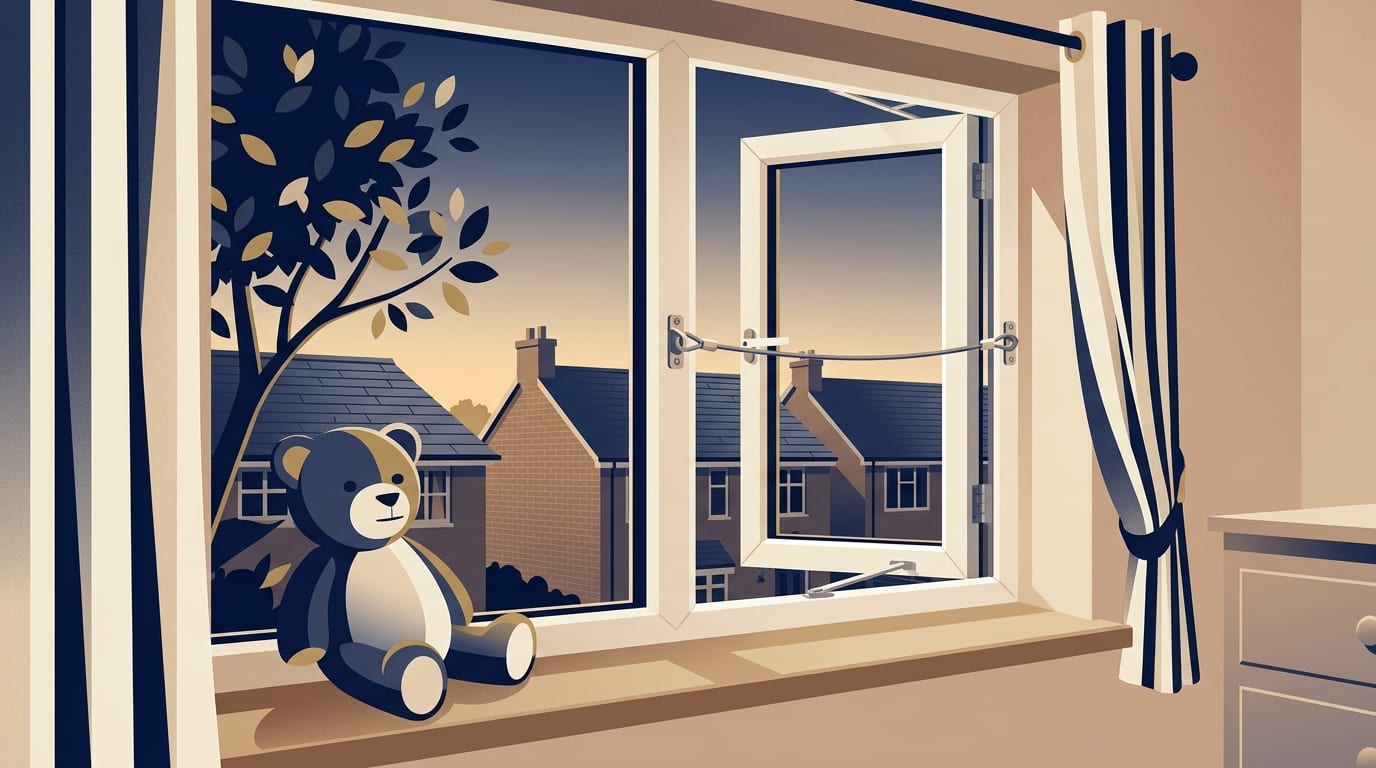
Window Restrictors and How They Keep Children Safe
What window restrictors do, which windows need them, how far a window should open, how to keep a fire escape route and what landlords should know.
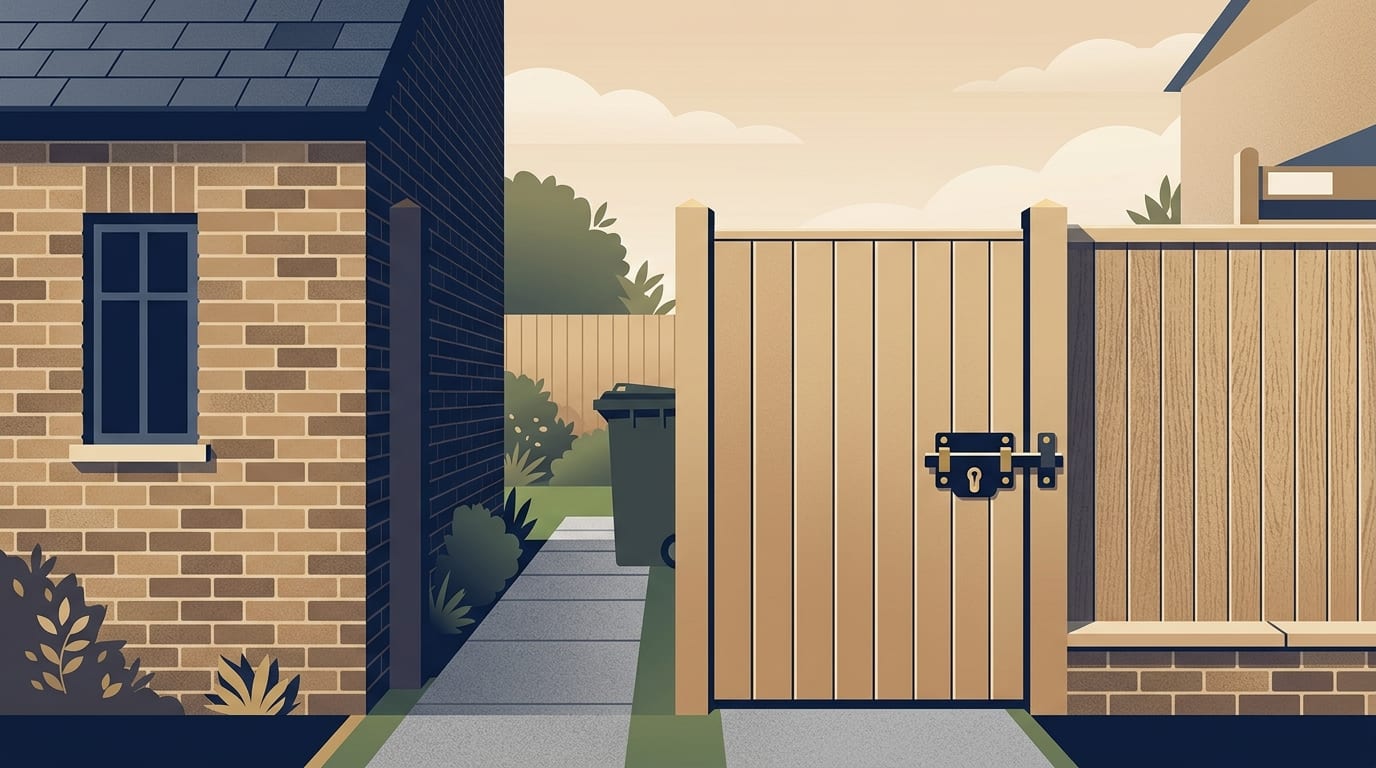
Garden Gate Locks and How to Secure a Side Gate
Why the side gate matters, the main types of garden gate lock, how to make a gate hard to climb, the planning height limits and what to ask a locksmith.
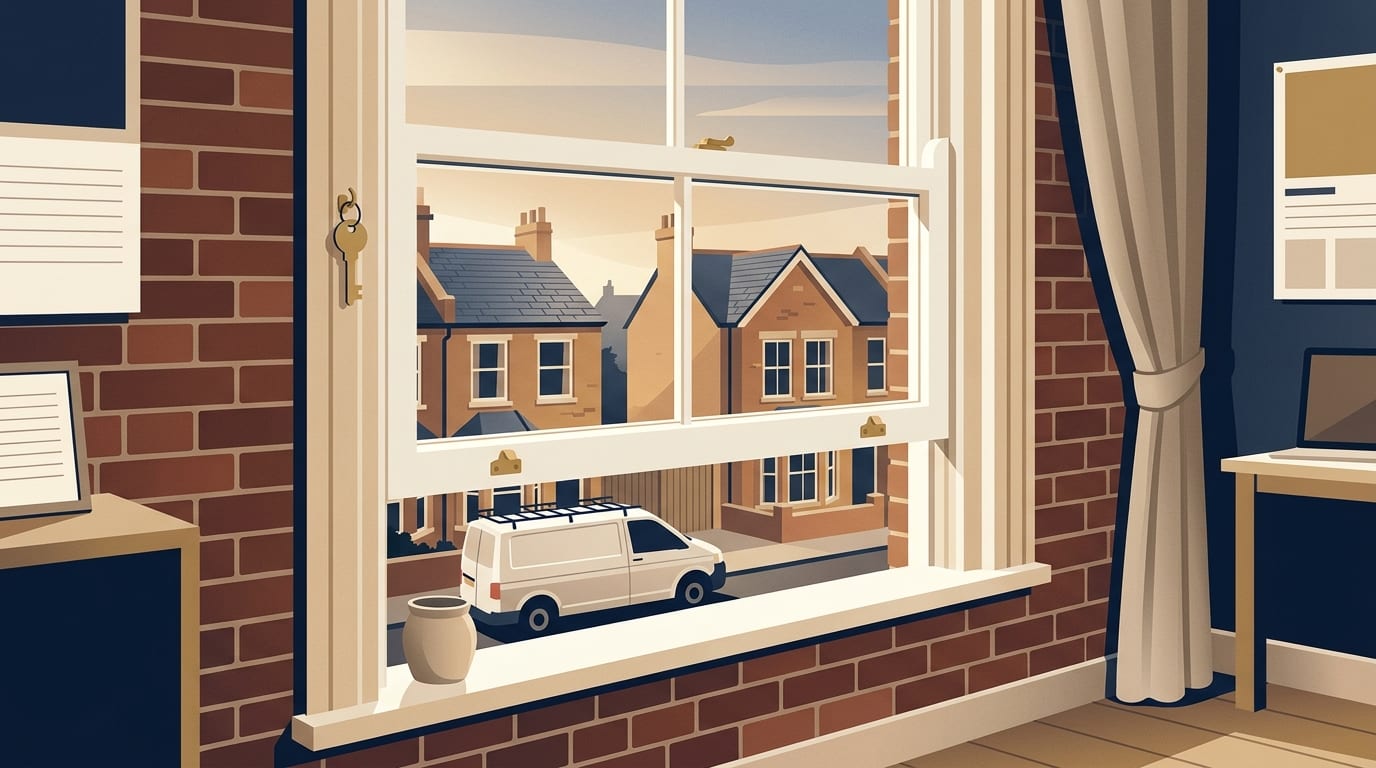
Sash Window Locks and How to Make Sash Windows Secure
How sash windows are locked, why the central catch is not enough, how many locks each window needs, how sash stops work and what to know in a listed home.