
Sash Window Locks and How to Make Sash Windows Secure
TopRatedLocksmiths.co.uk · 7 October 2026
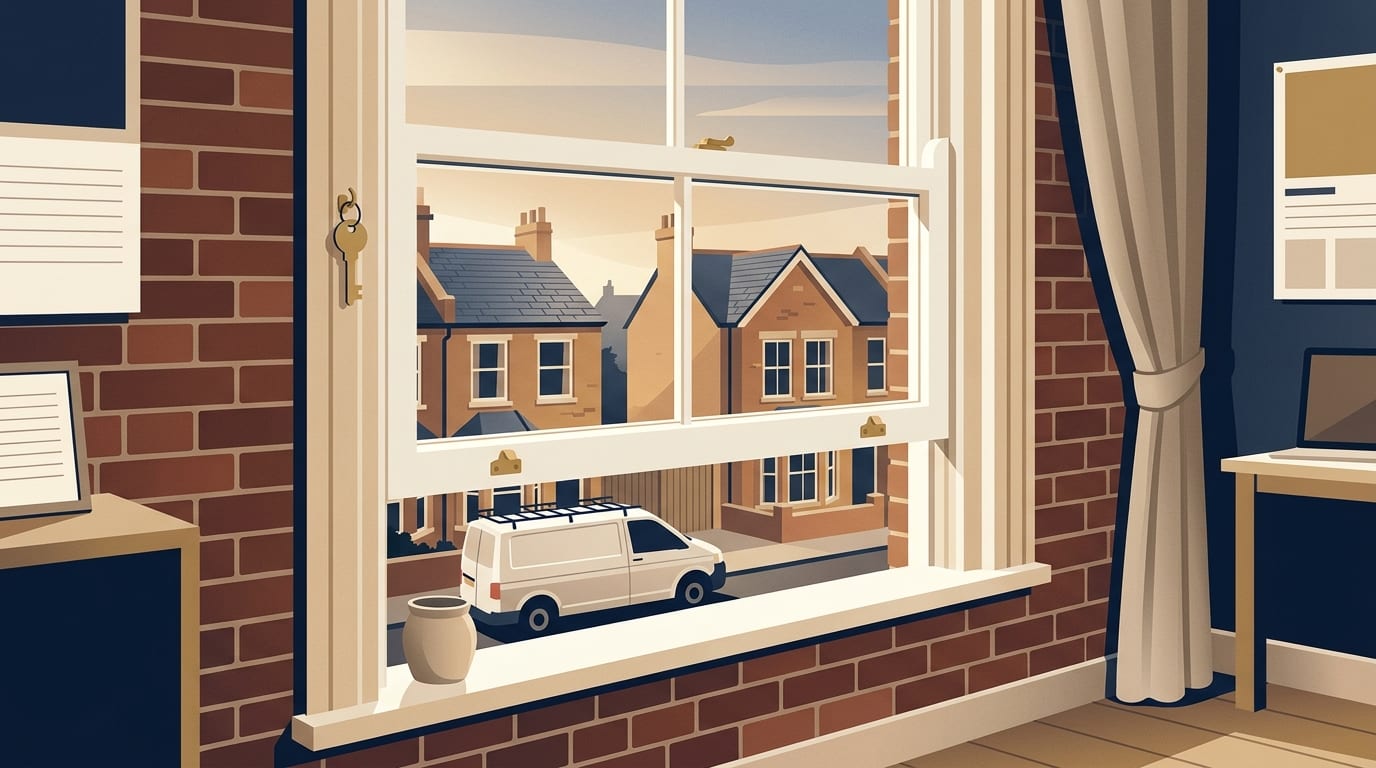
Timber sliding sash windows are traditionally held together by a central catch on the meeting rails, but this acts as a fastener rather than a secure lock. To make your sash windows secure, the standard advice is to fit key operated locks on accessible windows that are not needed as a fire escape. You can also fit sash stops so the window cannot be opened far enough for someone to climb through. This guide explains the different types of sash window lock, how many you need, and what a locksmith typically charges to fit them.
How a sliding sash window works
A traditional timber sash window is made of two separate glazed frames called sashes. The top sash sits in the outer channel of the window frame and slides down to open. The bottom sash sits in the inner channel and slides up to open. The horizontal pieces of timber that meet in the middle when the window is closed are called the meeting rails.
When the window is fully closed, the bottom rail of the top sash and the top rail of the bottom sash sit flush against each other. This is where the original window hardware is usually fitted. Understanding how these rails overlap is important because most sash window security relies on locking these two rails together so neither sash can move.
Modern uPVC sash windows operate in a similar way but are built very differently inside. They often contain a multipoint locking mechanism hidden inside the plastic frame. If you have modern plastic windows rather than traditional timber ones, you will need to look at the specific options for repairing a uPVC window lock instead.
Why the central catch is not enough
The standard fitting in the middle of a sash window is a simple catch or fastener. Its main job is to pull the two meeting rails tightly together. This closes the gap between the sashes to stop draughts and prevents the window from rattling in the wind. A basic fastener does not provide real security against someone trying to force the window from the outside.
Because a plain catch is not a lock, police crime prevention advice recommends key operated locks for all ground floor and accessible windows, unless the window is being used as a means of escape.
Even if your windows are on an upper floor, security matters if they can be reached easily. Windows above a flat roof, a sturdy porch or a fire escape staircase are considered accessible. You should consider extra security on any windows that could be reached by climbing.
Types of sash window lock
There are several ways to secure a timber sash window. The right choice depends on the size of the window and how you want it to look. A locksmith can supply and fit these different options to suit your home.
- Key locking fasteners replace your existing central catch with a new version that requires a key to release the arm.
- Dual screws are long threaded bolts that pass right through the meeting rail of the bottom sash and into the rail of the top sash.
- Frame locks are key operated units fitted to the vertical side frames that shoot a bolt into the sliding sash to stop it moving.
- Sash stops are heavy metal pegs fitted into the frame that physically block the window from sliding past a certain point.
A locking fastener is the neatest option because it sits exactly where the old catch was. However, a single lock is only enough on small sashes, as the next section explains. On larger windows, dual screws or frame locks used in pairs hold the window at two points.
How many locks each window needs
The size of your window dictates how much locking hardware it requires. The Master Locksmiths Association minimum security guidelines for January 2025 set out clear rules for vertical sliding sash windows. If the window opening exceeds 600 mm in height or width, it should have two window locks with removable keys. Sashes under 600 mm need only a single lock.
Where you place these locks is just as important as how many you fit. For windows over 600 mm, the guidelines state that the locks should be fitted on the meeting rail of the bottom sash at approximately one quarter of the width in from each side. This spreads the holding force evenly across the timber.
Alternatively, the locks can be fitted on the vertical frame either side of the upper sash, directly above the meeting rail of the bottom sash. This frame placement achieves the same result by preventing the bottom sash from lifting and the top sash from dropping. A professional locksmith will look at the build of your window to decide which position offers the strongest fixing.
Sash stops and safe ventilation
Sometimes you need to let fresh air into the room without leaving the house completely vulnerable. Sash stops prevent someone from opening a sash window enough to climb through. They are usually metal pegs that fit into the side of the frame above the bottom sash, so it can only rise a short way before it hits them.
Where ventilation is needed while the home is occupied, sash windows can have restricting devices that let them open a maximum of 100 mm and remain secure. Police security advice states that these window opening restrictors must not be able to be disengaged from the outside. For child safety on upper floors, see the guide to window restrictors and child safety.
Leaving a window on a restrictor is strictly for when you are at home. The Master Locksmiths Association advises that this is not recommended when the home is unoccupied. When the house is empty, the window should be secured fully closed. Police advice reminds homeowners that window locks are only effective if used, so you must check they are locked before you leave home or go to bed.
Keys, escape and fire safety
Securing your windows against intruders must never trap you inside during a fire. If a window is required for emergency escape, it must be easy to open in a panic without hunting for a key. The Master Locksmiths Association states clearly that where a window is required for emergency egress it shall not be fitted with any type of key lockable system.
Secured by Design, the official police security initiative, also recommends key operated locks unless a window is used as a means of escape. If a ground floor window is your fire escape, the MLA guidelines suggest laminated glass rather than a key lock. Laminated glass holds together when smashed, preventing a burglar from easily reaching through, but still allows you to open the unfastened window from the inside to escape.
For all other accessible windows that do have key locks fitted, you must manage the keys safely. The UK government Fire Kills campaign says you should keep door and window keys in a safe but accessible place near the exit they fit. You must never leave keys in locks where they could fall out or be hard to find in the dark. Make sure everyone in the household knows where they are, and do not let furniture or belongings block windows you may need to escape through.
Listed and period homes
Many timber sash windows are found in historic period properties. If your home is a listed building, the original windows are usually protected by law. You cannot simply drill holes into the frames or swap historic brass catches for modern locks without checking the rules first.
Guidance from Warwick District Council explains the legal position clearly. If you propose to alter or extend a listed building in a way that will affect its character or appearance as a building of special architectural or historic interest, you must first apply for listed building consent from the council. Carrying out unauthorised works to a listed building is a criminal offence and individuals have been prosecuted for it.
Always ask your local council conservation officer before anything is cut into historic sashes. They can advise you on what security upgrades are acceptable. If you are granted permission, tell your locksmith that the building is listed. They can help you choose locks that fit discreetly and match the period style of the property so the visual impact is kept to an absolute minimum.
What fitting sash window locks costs
Locksmiths usually price window lock jobs by adding the cost of the parts to an hourly labour rate. The MLA says a lot of locksmith jobs such as fitting and changing locks can be completed within an hour, though fitting two locks to each of several sash windows will take longer. The total price you pay will depend on your location, the time of day and how many windows need securing.
The table below shows typical published prices for 2026. The parts and labour figures come from the Master Locksmiths Association published price guide.
|
Type of lock part or locksmith service |
Typical published price |
|---|---|
|
Window lock part (without labour) |
From £25 each |
|
Standard hourly labour rate |
From £85 |
|
Hourly labour in London |
From £95 |
|
Hourly labour after 8pm |
From £105 |
|
Repair stiff or misaligned lock outside London |
£70 to £130 |
These figures are typical published prices for 2026 and your local quotes will differ. You should always ask whether VAT is included in the quote because not all locksmiths charge it. If a locksmith operates below the VAT registration threshold, they will not add that extra cost to your bill. You should also ask if there is a separate call-out fee on top of the hourly labour rate.
Getting the work done without damaging the window
Screwing new metal locks into old timber windows requires care. The Master Locksmiths Association points out that the adequacy of the window, the frame thickness, the material quality and the fixings of the frame to the surrounding structure can all affect the level of security that locks provide. If the timber is rotten or the frame is loose, even the strongest lock will simply pull out of the wood if forced.
A good locksmith will check that the timber is sound before they start drilling. They will look for signs of damp or soft wood on the meeting rails and the side frames. They will also check where the existing hardware is fitted. When a new lock is fitted, care must be taken that the material is not weakened by fitting it too close to existing fittings or old screw holes.
If your sash windows are badly decayed, fitting new locks might not be possible until a carpenter has repaired the timber. A trustworthy locksmith will tell you this upfront rather than taking your money to fit locks that offer no real security. Always ask the locksmith to assess the condition of the windows before they agree a final price for the work.
Common questions
What is a sash window restrictor?
A sash window restrictor is a safety device that stops the window opening past a certain point. It allows you to open the window slightly for fresh air while preventing anyone from climbing in or falling out. Security guidelines say these restrictors should let the window open a maximum of 100 mm and must not be able to be released from the outside.
How do sash window stops work?
Sash window stops are heavy metal pegs that sit in small sockets drilled into the vertical window frame. When the pegs are inserted, the bottom sash hits them as you try to push it up, physically stopping the window from opening further. On locking sash stops, a key releases the pegs so the window can open fully.
Do I need a key for my sash window lock?
Yes, police security advice recommends key operated locks for all ground floor and accessible windows to provide proper security against burglars. The only exception is if the window is needed as an emergency fire escape. The MLA guidelines say a window needed for emergency escape should not have any key lockable system, because a lost key could trap you.
What is the difference between a sash catch and a fastener?
A sash catch and a sash fastener are different names for the same thing. They refer to the standard metal fitting in the middle of the window that pulls the two meeting rails together. A basic fastener simply flips shut, while a locking fastener has a barrel that requires a key to release the arm.
Can I rely on laminated glass instead of locks?
Laminated glass is highly recommended for security because it holds together when smashed, but it is not a complete replacement for locks on everyday windows. The MLA guidelines suggest it for emergency escape windows, where they advise against key locks. For all other accessible windows, you should use key operated locks to secure the frames firmly together.
Next steps to secure your windows
Before you hire a locksmith to upgrade your sash window security, take a few minutes to check your home and gather the information they will need. Knowing exactly what you want will help you get an accurate price over the phone.
- Count how many sliding sash windows you have on the ground floor or within easy reach of a flat roof.
- Measure each window opening to see if it is over 600 mm high or wide and needs two locks instead of one.
- Decide which windows are your escape routes in a fire, as the MLA advises against key operated locks on these.
- Check your tenancy agreement and ask your landlord for permission before altering the windows if you rent your home.
- Contact your local council conservation officer first if you live in a listed building.
- Ask the locksmith for a total price including parts, labour and VAT before any work starts.
If your period windows are currently relying on simple central catches, upgrading the hardware is a sensible way to protect your home. A professional can fit the right combination of locks and restrictors to keep your property secure while allowing safe ventilation. When you are ready to get quotes and arrange the work, you can find a locksmith near you to assess your windows and provide a fixed price.
Related Guides
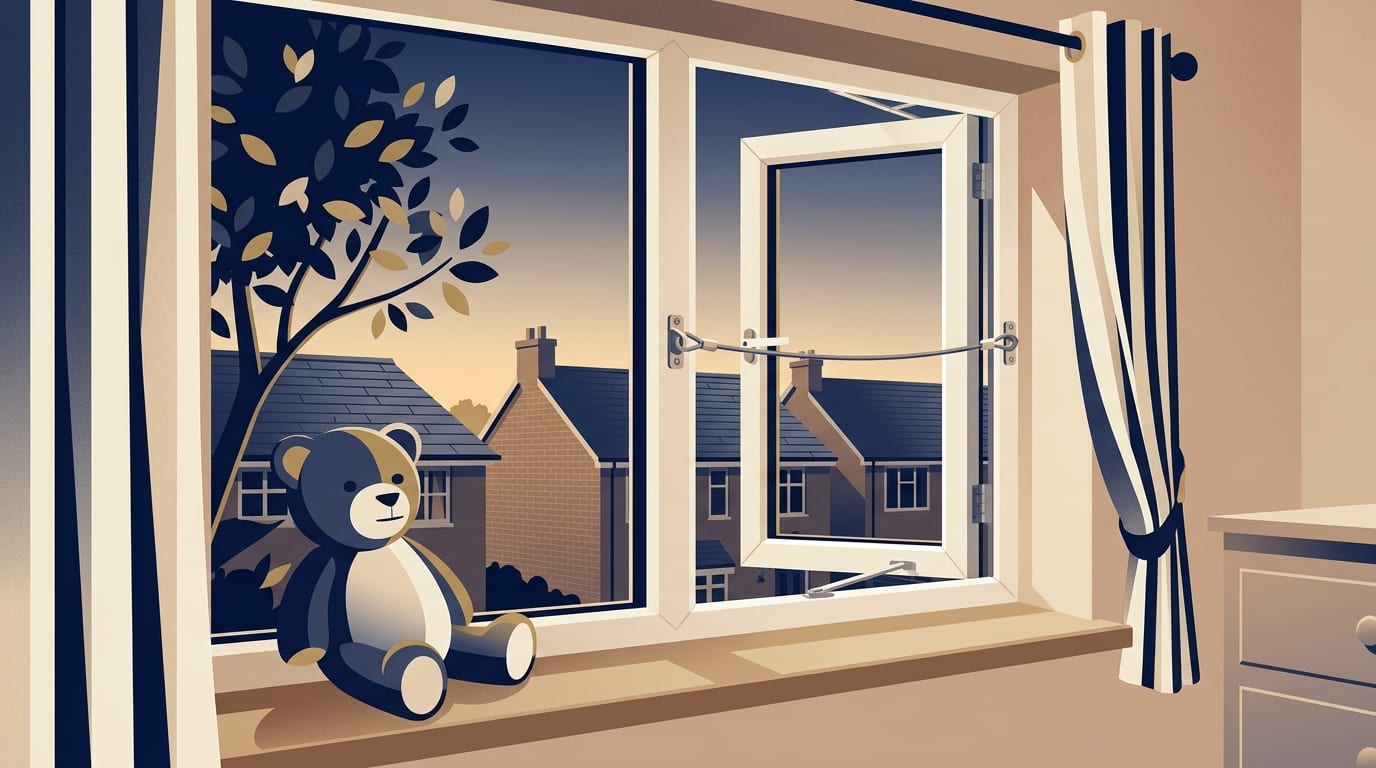
Window Restrictors and How They Keep Children Safe
What window restrictors do, which windows need them, how far a window should open, how to keep a fire escape route and what landlords should know.
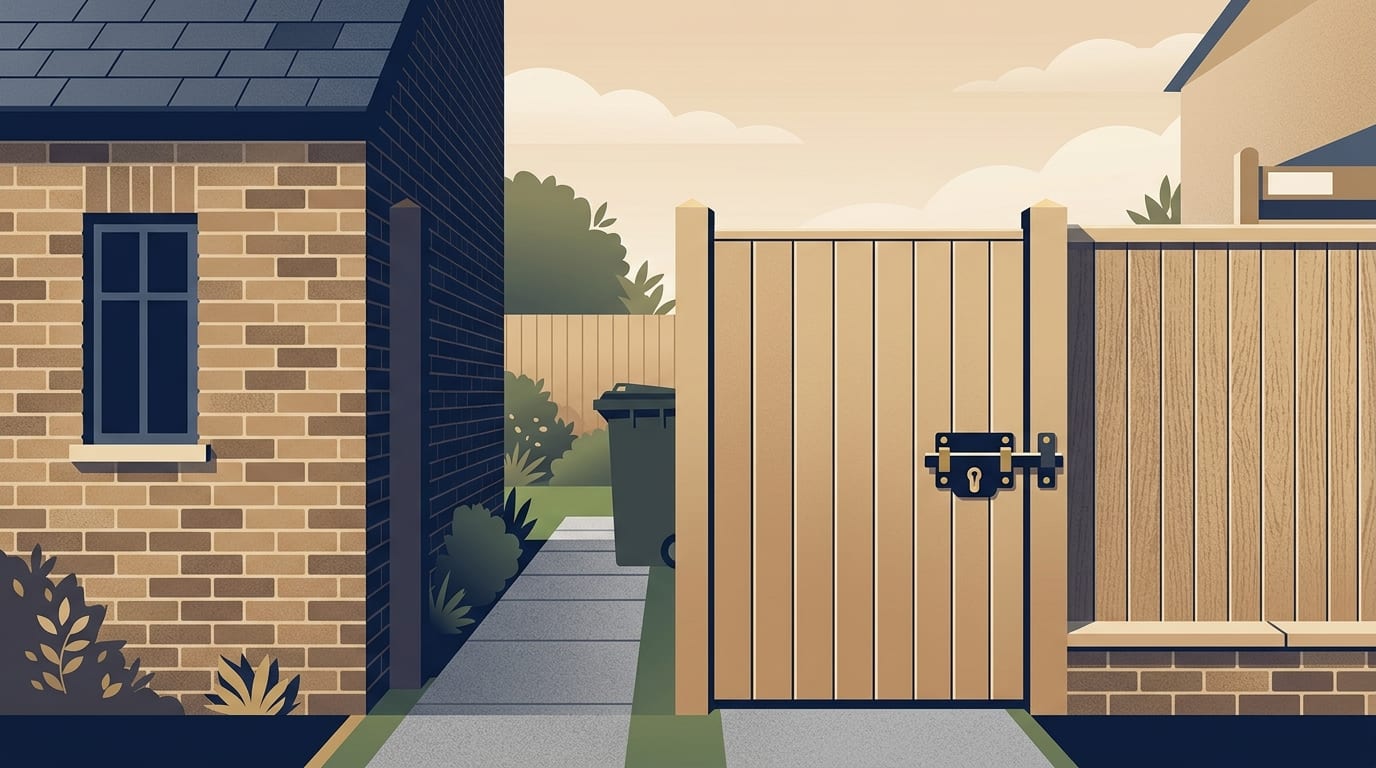
Garden Gate Locks and How to Secure a Side Gate
Why the side gate matters, the main types of garden gate lock, how to make a gate hard to climb, the planning height limits and what to ask a locksmith.
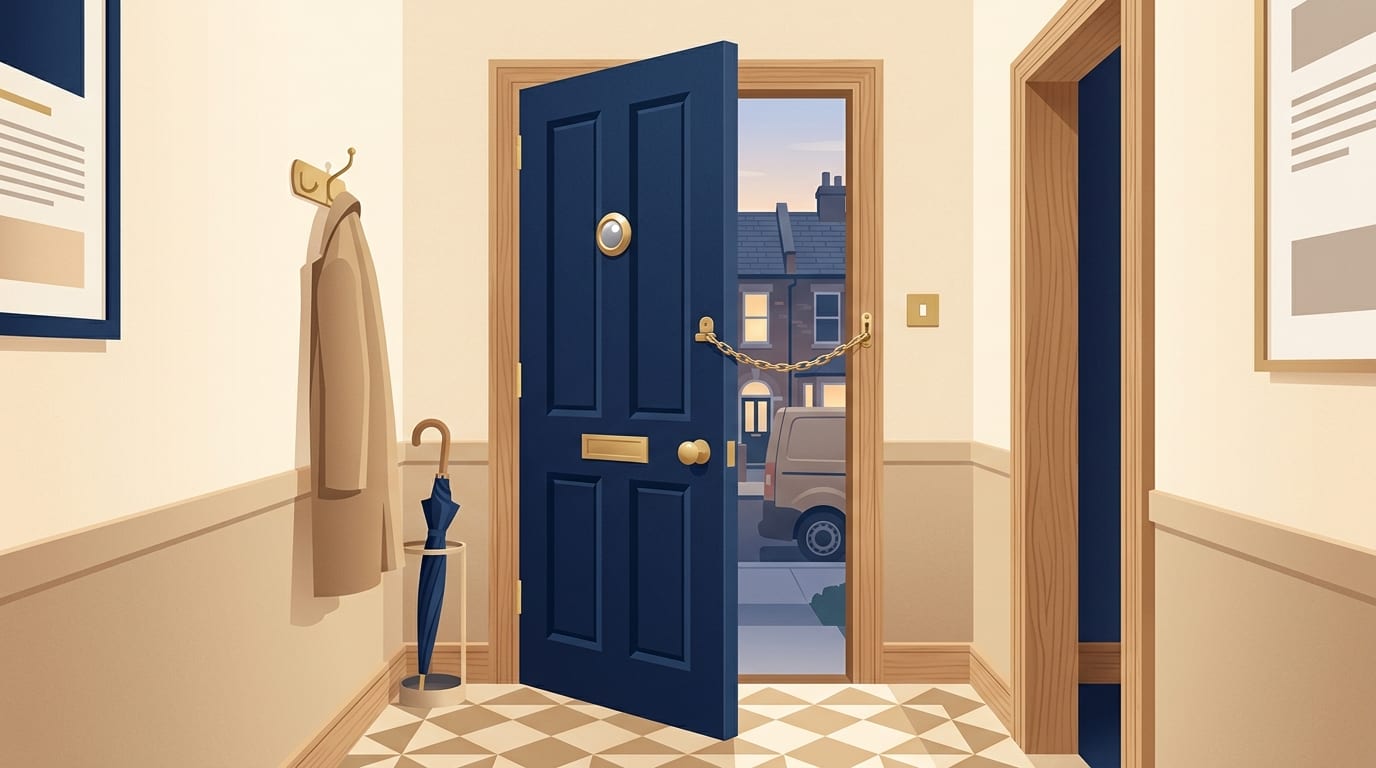
Door Chains and Door Viewers to Check Who Is at the Door
How door chains, door limiters and door viewers work, which ones are police approved, how to use a chain safely when someone knocks and what fitting costs.