
What to Do When Locked Out and Need an Emergency Locksmith
TopRatedLocksmiths.co.uk · 30 September 2026
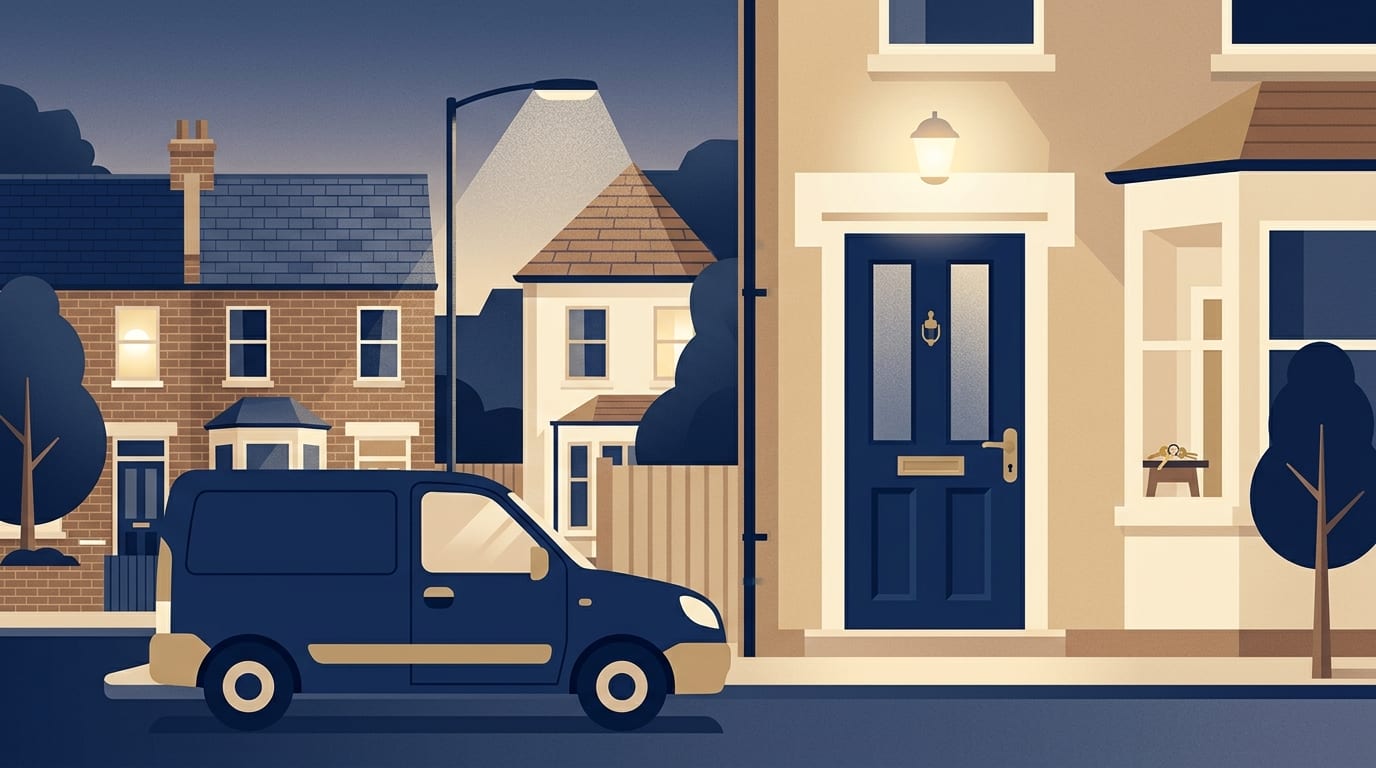
If you are locked out, first check whether anyone nearby holds a spare key and whether another door has been left unlocked, then call a local locksmith and agree a total price before they set off. Getting back in usually costs between £60 and £150 during standard daytime hours in 2026, or between £80 and £200 for an emergency or out-of-hours call, with London and the South East higher. A competent locksmith will aim to pick or bypass your lock without causing damage, and when that works you pay for labour and not for replacement parts.
First things to check before you call anyone
Before you pay an emergency rate, take a few minutes to walk around your property. People often leave a back door, a patio door or a side gate unlocked without realising it. If you can walk back in through an unlocked door, you will save yourself the cost of a locksmith. Do not climb through a window or force anything.
Next, check with anyone who might hold a spare key. Work through this short checklist before you search for a tradesperson:
- Call your partner, housemate or a family member who has a key.
- Check with a trusted neighbour if you left a spare with them in the past.
- If you rent your home, call your landlord or letting agent to see if they hold a management key.
- Look inside your bag or car again, as keys easily slip under seats or into coat linings.
Finally, look at the time. Locksmiths charge a premium for evenings, nights, weekends and bank holidays. If you have a safe place to stay and the lockout can wait until morning, booking a standard daytime appointment is usually cheaper.
When it is a real emergency
A lockout becomes a genuine emergency if there is an immediate risk to safety, property or health. This dictates how fast you need someone to arrive and justifies paying an out-of-hours rate. If a young child or a vulnerable adult is locked inside alone, the situation is urgent.
Hazards inside the home also demand an immediate response. If you stepped outside and the door blew shut while a hob was left on, an oven was cooking, or a bath was filling, tell the locksmith immediately on the phone. If anyone is in immediate danger, or there are signs of fire, call 999 first. Most reputable professionals will prioritise a genuine safety risk over routine daily work.
Late at night in cold or wet weather, being stuck outside is a hazard in itself. If you cannot get to a warm place or a neighbour's house, getting back inside quickly is a priority. Similarly, if you have suffered a break-in and your door will not secure your home, you need an emergency response to make the property safe. In this scenario, the locksmith might need to carry out boarding up if the door or frame is too damaged to take a new lock immediately.
How an emergency locksmith gets you back in
A trained professional uses non-destructive entry methods first. This means they use specialist tools and techniques to get you inside without breaking your door or your lock. If they succeed, your existing keys will still work and you will not have to buy replacement parts.
The method they use depends on the lock. If you have a standard night latch on a timber door, which is the surface latch often called a Yale lock, they may be able to bypass the mechanism. If you have a euro cylinder, which is the barrel found on uPVC and composite doors, they will use tools to manipulate the pins inside and pick the lock open.
If your key has snapped off inside the cylinder, a locksmith will usually try to extract the broken piece. If they can remove it without damaging the internal pins and you have a spare key inside, the lock will still function normally. The whole job usually takes well under an hour.
Will the lock need to be drilled or replaced?
Sometimes non-destructive entry is not possible. High security locks are designed specifically to resist picking and bypassing, which means the locksmith may have to drill the lock to open the door. A good locksmith only drills as a last resort. If they immediately reach for a drill without trying to pick the lock first, they may be trying to sell you a replacement cylinder you do not need.
A lockout caused by a mechanical failure will usually require replacement parts. If your door has a multipoint locking mechanism, which is the strip of hooks and bolts worked by lifting the handle, the central gearbox can fail. When this happens, the door must be opened manually and the broken gearbox or the entire strip replaced. You can find out more about when a repair is enough to fix a stiff or jammed handle.
If you have lost your keys outside the home, or if they have been stolen, you should have the locks changed even if the locksmith picks them open. You do not know who has found your keys or if they know your address, so changing the cylinder or the lock is the safest course.
What an emergency call-out should cost
Locksmith jobs are usually priced as labour plus parts. The labour rate is driven by the time of day and your location. Most emergency locksmiths do not charge a separate call-out fee, meaning you only pay for the time they spend working. However, some do charge a fee of between £50 and £100 just to turn up, so you must ask how they structure their pricing.
During standard daytime hours, unlocking a house typically costs from £60 to £150. If you live in London or the South East, expect to pay between £90 and £220 for the same daytime lockout service. out-of-hours work carries a premium, which usually adds an additional £50 to £100 to the final bill.
The table below shows typical published prices for 2026 for labour and lockout services.
|
Service and time |
Typical UK price |
London and South East |
|---|---|---|
|
Locked out standard hours |
£60 to £150 |
£90 to £220 |
|
Emergency call-out |
£80 to £200 |
£120 to £250 |
|
Emergency labour per hour |
From £85 to around £90 in normal hours, from £105 after 8pm |
From £122 out of hours, from £153 after midnight |
These figures show typical published prices for 2026, and local quotes will differ. The total you pay will depend on whether VAT is included, whether a call-out fee applies, and whether your lock had to be drilled and replaced.
If parts are needed, they are added to your bill. A basic cylinder costs far less than a high security mortice sashlock or a snap-resistant euro cylinder. If you need new locks fitted and want to understand the price of parts, our guide explains average costs and rates in detail.
What to ask on the phone
Getting a clear price on the phone stops you being overcharged on the doorstep. A common industry problem involves national call centres that advertise as a local locksmith. They quote a very low price on the phone to get your booking, pass the job to a subcontractor, and then multiply the price once the worker arrives at your home.
To protect yourself, ask these specific questions before you give out your address:
- What is the total estimated price to open the door, and does it include VAT?
- Do you charge a separate call-out fee on top of your hourly rate?
- Is there an out-of-hours charge for this specific time of day?
- Will you try non-destructive entry before you use a drill?
- What is your company name and what is your local address?
- How long will it take you to arrive?
If the person on the phone refuses to give a clear labour price, or if they refuse to confirm their company name, hang up and call someone else. A genuine local professional knows exactly what they charge for a lockout and will be happy to explain it.
How to check who turns up
There is no government regulation of locksmiths in the UK. Anyone can buy some tools and trade as one, which means you have to vet the person you hire. When they arrive, ask to see some ID. A reputable tradesperson will usually arrive in a branded vehicle, carry identification, and explain exactly what they are going to do before they touch your door.
The Master Locksmiths Association (MLA) is the main trade association and runs a voluntary approval scheme. MLA approved companies are vetted, employ locksmiths who have passed the MLA exam, are inspected regularly, and require DBS criminal record checks for their staff. You can verify a company's approval on the MLA website.
The law protects you against poor workmanship. Under the Consumer Rights Act 2015, a service must be carried out with reasonable care and skill. If no price was agreed before the work started, you are only required to pay a reasonable price.
Under the Consumer Contracts Regulations 2013, there is normally a 14-day cancellation period for work arranged at home or by phone. However, this cancellation right does not apply where you specifically asked for a visit for urgent repairs. This exception applies to getting your door opened in an emergency, but it does not apply to extra services sold to you during that visit, such as upgrading locks on your other doors.
If you rent or have lost your keys
If you are a tenant, check your tenancy agreement before you pay a locksmith to drill and replace your front door lock. You usually need the landlord's agreement to change the locks, and your agreement may require you to give them a copy of the new key. A landlord who changes the locks to keep a tenant out without a court order commits illegal eviction, which is a criminal offence.
If you have lost your keys, it is sensible to have the locks changed. Insurers often ask what locks are fitted to your home, so check your policy wording to see what security standard is required. On a timber door, the standard to ask for is BS3621, which is shown by a Kitemark on the lock faceplate.
For uPVC and composite doors, criminals often use a destructive technique called lock snapping to break standard euro cylinders. To protect against this, ask the locksmith to fit a snap-resistant cylinder that meets the TS007 three-star standard, or the Sold Secure SS312 Diamond standard. If you are having multiple locks replaced, you can ask for them to be keyed alike. This means the locksmith pins the cylinders so that one single key opens your front door, back door and side gate.
How to avoid getting locked out again
Once you are back inside, take a few simple steps to stop it happening again. The easiest prevention is to leave a spare key with a trusted neighbour, a nearby relative, or a close friend. If you share your home, agree that nobody leaves a key in the inside of the lock, because on many doors that stops a key working from the outside.
Many lockouts are caused by mechanical failure rather than forgotten keys. If your door handle feels stiff, if the key is hard to turn, or if you have to force the door shut to lock it, the mechanism is under strain. Having a locksmith adjust the door alignment or replace a worn cylinder during a scheduled daytime appointment is much cheaper than paying an emergency out-of-hours rate when the part finally breaks.
Common questions
What is a locksmith emergency?
An emergency is any situation where property or people are at immediate risk, or where a home cannot be secured. This includes being locked out with a young child inside, a broken lock after a burglary, or being stuck outside late at night in freezing weather. These situations justify calling a locksmith out of hours.
How quickly does a 24-hour locksmith arrive?
Arrival times depend on where the locksmith is currently working and local traffic conditions. Ask for an estimated arrival time when you call. A national call centre might pass the job to a subcontractor who is based much further away, resulting in a longer wait.
What should you do if you are locked out with the key in the door?
If you have left your key on the inside of the lock, a second key will often not go in fully or turn from the outside. A locksmith can usually bypass the mechanism or manipulate the internal key from the outside using specialist tools, getting you back in without damaging the cylinder.
Do I need an auto locksmith for a car?
Yes, vehicle entry is a separate specialism. If you are locked out of a car or van, you need an auto locksmith who has the equipment for transponder and remote programming. You can find out more by reading our guide on choosing between an auto locksmith or main dealer for replacement car keys.
Next steps to get back inside
Follow this short checklist to resolve your lockout safely and secure your home.
- Check every door, and call anyone who might hold a spare key.
- Decide if the job is a genuine emergency or if you can safely wait for a cheaper daytime rate.
- Call a local firm and ask for a total estimated price including VAT and any out-of-hours charge.
- Ask the locksmith to confirm they will try non-destructive entry before using a drill.
- Ask to see their ID when they arrive and get a written invoice when the job is done.
Getting locked out is highly stressful, but taking a few minutes to ask the right questions will stop a bad situation becoming an expensive mistake. When you are ready to make the call, use our directory to find a locksmith near you who has been rated by other local customers.
Related Guides
Window Restrictors and How They Keep Children Safe
What window restrictors do, which windows need them, how far a window should open, how to keep a fire escape route and what landlords should know.
Garden Gate Locks and How to Secure a Side Gate
Why the side gate matters, the main types of garden gate lock, how to make a gate hard to climb, the planning height limits and what to ask a locksmith.
Sash Window Locks and How to Make Sash Windows Secure
How sash windows are locked, why the central catch is not enough, how many locks each window needs, how sash stops work and what to know in a listed home.