
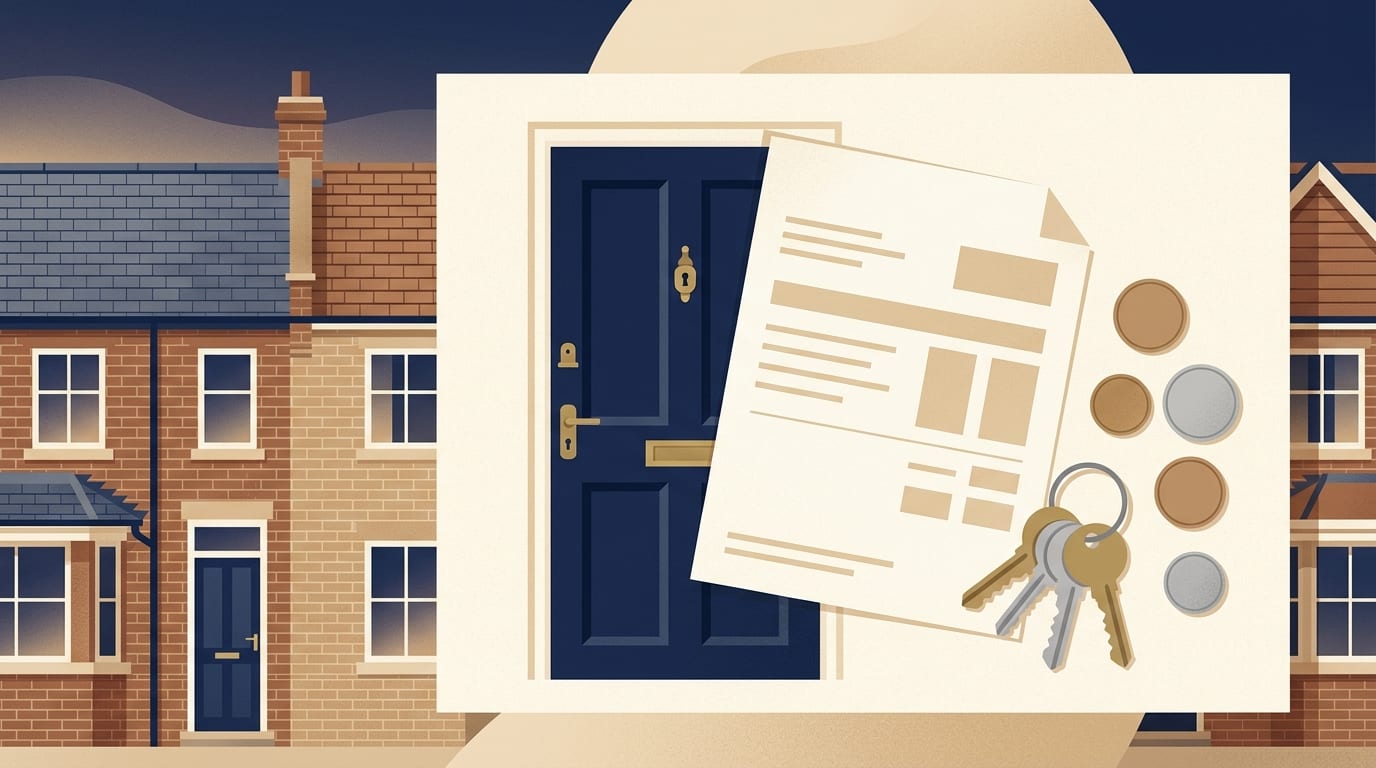
Locksmith costs in the UK vary depending on the time of day, your location and the type of lock involved. For a standard weekday job, typical published prices for 2026 show that gaining entry to a house usually costs between £60 and £150. Changing a basic euro cylinder lock ranges from £70 to £105, while a new mortice deadlock is typically £120 to £150, or from £148 in the Master Locksmiths Association guide. After 8pm, hourly labour rates start from around £105, and nights, weekends and bank holidays can cost more again.
Typical locksmith prices at a glance
The table below shows the typical ranges you can expect to pay for the most common locksmith jobs. They are guide prices for standard weekday hours, and London and the South East cost more.
|
Type of locksmith job |
Standard daytime cost |
|---|---|
|
Unlocking a house door |
£60 to £150 |
|
Changing a standard euro cylinder |
£70 to £105 |
|
Changing a mortice deadlock |
£120 to £150 (from £148 in the Master Locksmiths Association guide) |
|
Repairing a front or back door lock |
£70 to £150 |
|
Extracting a broken key |
£60 to £150 |
These are typical published prices for 2026. Local quotes will differ because every job depends on the exact security grade of the lock and how long the work takes.
How locksmiths work out their prices
Most locksmiths price their work by adding the cost of labour to the cost of any parts supplied. Labour is usually charged either by the hour or as a fixed price for the whole job. During standard working hours, labour typically costs around £80 to £85 per hour. Because most single lock changes and lockouts take between twenty minutes and one hour, a one hour labour charge is usually enough to cover the time spent at your property.
If the locksmith quotes a fixed price on the phone, ask exactly what that price includes. A fixed price should cover both the time taken and the parts needed to secure the door. If they quote an hourly rate, you need to know how much the replacement lock will cost on top of that time. Always ask the locksmith to estimate the total bill before they begin.
There is no government licensing of locksmiths in the UK. Anyone can trade as one and they can charge any price they choose. This lack of regulation means you must check what you are paying for before you agree to a visit.
What a lockout costs
Being locked out on the doorstep is one of the most common reasons people call a locksmith. Gaining entry to a property in standard hours typically costs between £60 and £150. If you live in London or the South East, a locked out service will run higher at £90 to £220.
A trained locksmith will always try to open your door using non-destructive entry methods. This means picking or bypassing the lock rather than drilling it. If they can pick the lock successfully, you only pay the labour charge and you can continue using your original keys. If you are locked out and need an emergency locksmith late at night, the price will be higher because out-of-hours labour rates apply.
Sometimes a lock is faulty or has a high security rating that makes picking impractical. In these cases the locksmith will need to drill the lock to open the door. If a lock has to be drilled, it will be destroyed and you will have to pay for a replacement lock on top of the labour charge for gaining entry. You should always ask on the phone how the locksmith plans to gain entry and whether drilling is likely.
What it costs to change or repair a lock
The price of a lock replacement depends entirely on the type of door and the standard of the lock. A basic lock replacement supplied and fitted costs between £75 and £170. Upgrading to higher security standards will push that price toward the top of the range.
Euro cylinders are the barrel shaped locks fitted to most uPVC and composite doors. Changing a standard euro cylinder costs between £70 and £105. These doors are vulnerable to a burglary technique called lock snapping. Upgrading to an anti-snap euro cylinder costs from £137. If you upgrade, look for cylinders that meet the TS007 three-star standard or the Sold Secure SS312 Diamond standard. A one-star cylinder is also acceptable if it is fitted with two-star security handles.
Timber doors usually have a mortice deadlock or a sashlock fitted inside the wood. Changing a five-lever mortice deadlock costs between £120 and £150, and the Master Locksmiths Association guide lists mortice locks from £148. You should ensure any new mortice lock meets the BS3621 British Standard, which is shown by a Kitemark on the metal faceplate. Timber doors also frequently feature a night latch or rim lock on the surface, often called a Yale lock. Replacing a night latch on a wooden door starts from £116, while replacing just the rim cylinder on the outside starts from £90.
Many uPVC doors use a multipoint locking mechanism, which is the long metal strip of hooks and bolts worked by lifting the handle. The central part of this mechanism is called the gearbox. If the handle spins freely or the door will not lock, you might only need a new gearbox rather than a whole new mechanism. A front or back door lock repair typically costs between £70 and £150, while the Master Locksmiths Association price guide lists repairs from £85. If you have a snapped key stuck in the barrel, broken key extraction costs between £60 and £150.
If you want one key to open all your doors, you can ask for the new locks to be keyed alike. This means the locksmith pins the internal barrels to match a single key. This can add to the cost of the parts but saves you carrying a bunch of keys. Our guide on when to change door locks explains when a replacement is worth paying for.
Evening, weekend and bank holiday rates
Locksmith prices rise sharply outside standard working hours. Evenings, nights, weekends and bank holidays cost more because locksmiths charge a premium for being on call. Standard hours are usually the normal weekday working day, though the exact times vary by company, so ask when the higher rate starts.
During an emergency call-out, the labour rate increases to around £90 per hour, or from £105 per hour after 8pm. Alternatively, some locksmiths charge their normal daytime hourly rate but add an out-of-hours premium of £50 to £100 on top. A full emergency locksmith visit usually costs between £80 and £200 per call-out outside London and the South East.
If your problem is not urgent, waiting until the next morning will save you a lot of money. A broken lock on an internal door or a lost spare key can usually wait until standard daytime rates apply. A door that will not lock at night or a break-in that requires boarding up cannot wait, and you will have to pay the emergency rate.
Call-out fees, VAT and other extras
A call-out fee is a flat charge just for arriving at your property. Most emergency locksmiths do not charge a separate call-out fee. However, some companies do charge an emergency call-out fee of £50 to £100 before any work begins. You must ask on the phone whether a call-out fee applies and whether it is separate from the hourly labour rate.
Value Added Tax is another extra that catches people out. A quote of £100 becomes £120 if VAT is added at the end of the job. Smaller independent locksmiths might not be registered for VAT, while larger companies will be. Always ask whether the price you are quoted includes VAT.
Why prices are higher in London and the South East
Operating a business in London and the South East is more expensive, and these costs are passed on to the customer. Locksmith prices in London and the South East are typically 20 to 30 per cent higher than in the rest of the UK.
Standard daytime labour rates start from £95 per hour in London. If you are locked out in standard hours, the cost in London and the South East rises to between £90 and £220. For an emergency out-of-hours call-out in these areas, you should expect to pay between £120 and £250. When you compare quotes, make sure you are looking at prices for your specific region.
How to get a firm price before work starts
Because anyone can trade as a locksmith, it is entirely up to you to vet the person you hire. The Master Locksmiths Association is the main trade association in the UK. Its approval scheme is voluntary, not a legal requirement. Approved companies are vetted, have criminal record checks, employ locksmiths who have passed an exam and are inspected regularly. The Master Locksmiths Association price guide advises getting at least three quotes before you agree to a visit.
To get a firm and honest price, you need to ask the right questions before the locksmith sets off. A trustworthy locksmith will be happy to answer these questions clearly.
- Ask for an estimate of the total price including labour, parts and VAT.
- Ask if there is a separate call-out fee just for attending.
- Ask what the hourly rate is and if an out-of-hours premium applies.
- Ask how they plan to open the door and if they expect to drill the lock.
- Ask what standard the replacement lock will meet if one is needed.
- Ask if the business has a real local address rather than just a national call centre number.
Signs you are being overcharged
A common problem in the industry is bait and switch pricing. This is where a company advertises a very low price on the phone just to get you to agree to a visit. Once they arrive on your doorstep, the price multiplies rapidly with hidden fees, excessive labour charges and heavily marked up parts.
These bait prices are often used by national call centres that advertise as a local locksmith. They take your call and pass the job to whoever is nearest, taking a cut of the final inflated bill. You can protect yourself by looking out for the signs of a bad trade practice.
- Quoting an unrealistically low price on the phone that sounds too good to be true.
- Refusing to give a total price estimate before starting the work.
- Drilling a standard lock immediately without trying to pick or bypass it first.
- Replacing a whole multipoint mechanism when only the cylinder or gearbox had failed.
- Fitting cheap, unbranded cylinders but charging premium prices.
- Demanding cash only and refusing to provide a written invoice.
- Arriving in an unmarked vehicle with no company uniform or ID.
Your rights if the bill is not what you agreed
You have strong legal protection when you hire a tradesperson in the UK. Under the Consumer Rights Act 2015, a service must be carried out with reasonable care and skill. The work must also be completed within a reasonable time. If no firm price was agreed beforehand, the law states you only have to pay a reasonable price.
If a locksmith does poor work or damages your door unnecessarily, you have a right to a remedy. This means the tradesperson must either repeat the performance to fix the problem, or offer a price reduction. This price reduction can be up to a full refund depending on the severity of the poor work.
If you arrange for a locksmith to visit your home by phone or online, you normally have a 14-day cancellation period under the Consumer Contracts Regulations 2013. However, this cancellation right does not apply if you specifically requested a visit for urgent repairs or maintenance. If you are locked out and need immediate help, the 14-day right to cancel does not apply to that urgent work. Importantly, this exception does not cover extra goods or services sold during that visit that were not needed for the urgent repair.
If you rent your home, you should check your tenancy agreement and get your landlord's permission before changing any locks. Insurers also often ask what locks are fitted, so check your own policy wording to ensure any replacement lock keeps your cover valid. A landlord who changes the locks to keep a tenant out without a court order commits illegal eviction, which is a criminal offence. Tenants facing this situation should contact Citizens Advice or Shelter immediately.
Common questions
How much should a locksmith charge to open a door?
During standard daytime hours, a locksmith typically charges between £60 and £150 to open a door. If you live in London or the South East, this rises to between £90 and £220. If they have to drill the lock to get you in, you will also have to pay for a replacement lock on top of this labour charge.
Are locksmith fees regulated in the UK?
No, locksmith fees are not regulated by the government. Anyone can trade as a locksmith and set their own prices. This is why it is vital to get a total price estimate covering labour, parts and VAT before you agree to a call-out.
Do I have to pay if the locksmith cannot open the door?
This depends on what you agreed on the phone. Some locksmiths do not charge if they cannot gain entry, but there is no rule that says so. Ask before they travel whether you will be charged if they cannot open the door and whether a call-out fee applies regardless.
How much does it cost to fix a uPVC door lock?
Repairing a front or back uPVC door lock typically costs between £70 and £150. The exact price depends on whether you need a simple realignment, a new euro cylinder, or a replacement gearbox for the multipoint locking mechanism. If the handle is stiff or spinning, you should read up on uPVC door lock problems to understand what parts might be broken.
What to do next
Before you hire a locksmith, take a few minutes to check their details and agree on the costs. A good locksmith will make this process easy and transparent.
- Write down exactly what is wrong with the door so you can describe it clearly on the phone.
- Check the business has a real local address and consistent customer reviews over time.
- If they claim to be Master Locksmiths Association approved, verify it on the official MLA website.
- Ask for a total estimate that includes labour, parts, out-of-hours premiums and VAT.
- Ask for identification when they arrive and insist on a written invoice when you pay.
If you need help securing your home or getting back inside, you can find a locksmith near you who has been rated by other local customers.
Related Guides
How Much Does uPVC Door Handle Replacement Cost?
What a locksmith charges in 2026 to repair or replace a uPVC door handle, when the real fault is the gearbox, which handles are most secure and how they are sized.
How Much Does Key Cutting Cost in the UK?
Typical 2026 prices for cutting house, mortice, window, security and safe keys, how long it takes and why restricted and patented keys need a locksmith.
Window Restrictors and How They Keep Children Safe
What window restrictors do, which windows need them, how far a window should open, how to keep a fire escape route and what landlords should know.