A locksmith working evenings, nights, weekends and bank holidays usually charges more than one working in the day. Being locked out in the dark is exactly when scam prices appear, so pause for a minute and ask for a total price. Asking for a total price before work starts and checking who you are dealing with are the best protection against a huge bill.
Why night call outs cost more
The locksmith trade involves being on standby to travel to properties at short notice. When you hire a 24-hour locksmith, you are paying for someone to wake up, load their vehicle and drive to your address in the dark or at a weekend. This level of readiness comes with a premium compared to a booked daytime appointment.
There is no government licensing of locksmiths in the UK. Anyone can trade as one and set their own prices. This is why vetting matters before you agree to a visit. The Master Locksmiths Association (MLA) is the main trade association for the industry. Its approved companies are vetted, have criminal record checks, employ locksmiths who have passed the MLA exam and are inspected regularly.
You should view MLA approval as a voluntary approval scheme, never as a licence or a legal requirement. Because anyone can set up a business, emergency rates vary wildly. A genuine local professional will have a clear pricing structure for evening and night work. Auto locksmiths are a separate specialism covering vehicle entry, key cutting, transponder and remote programming.
Most jobs are priced as labour plus parts, either by the hour or as a fixed price per job. Price is driven by the time of day, your location, the type and security grade of the lock, and how entry is gained. Knowing what is fair helps you avoid paying heavily inflated prices when you are in a stressful situation.
What counts as out of hours
A standard daytime rate applies during normal working hours, and the labour rate goes up outside them.
The MLA advises that weekdays outside 9am to 5pm, all weekend and bank holidays are treated as out of hours. This means a Friday evening or a Sunday afternoon will cost more than a Tuesday morning. The exact time the higher rate starts can vary between companies, so ask.
The MLA guide says rates are higher after midnight, and that weekends, bank holidays and Christmas or New Year may cost more. Always ask what rate applies to your call when you ask for a price.
Typical rates by day, evening and night
A reliable locksmith should be able to give you a clear estimate of their labour rate over the phone. Vague answers are a warning sign. According to the MLA 2026 price guide, a standard national locksmith labour rate is from around £85 per hour during the day. In London, standard daytime labour is from £95 per hour.
When you move into out-of-hours work, these base rates increase. A 24-hour locksmith charges from £105 per hour after 8pm nationally, and this figure will be higher after midnight. London prices are typically around 20 to 25 per cent higher than the national estimates. A London emergency locksmith charges from £122 per hour, rising to £153 per hour after midnight.
The table below shows typical labour rates based on the time of day and location.
|
Time and location |
Typical labour rate |
|---|---|
|
National standard hours |
From around £85 per hour |
|
National after 8pm |
From £105 per hour |
|
London standard hours |
From £95 per hour |
|
London emergency hours |
From £122 per hour |
|
London after midnight |
From £153 per hour |
These are from prices for 2026 based on averages from MLA approved locksmiths. They are starting prices, not price caps, and your local quotes will differ. Ask whether VAT is included in the labour rate. Weekends, bank holidays and Christmas or New Year may cost more.
Call-out fees and what they cover
Many people search for a locksmith callout cost, but the term can be confusing. A true call-out fee is a charge just for the locksmith to travel to your property, before any work begins or any parts are fitted. Most emergency locksmiths do not charge a separate call-out fee and many offer a free call-out.
However, some companies do charge one. Where a call-out fee is charged, it may include the first hour of labour. You must ask each locksmith exactly what their call-out fee covers. If a company advertises no call-out fee, they will still charge you for their labour the moment they start diagnosing or working on your door.
The danger at night is agreeing to a visit without understanding the fee structure. If someone demands a high call-out fee upfront just to look at the lock, you are well within your rights to call a different local company.
What to ask before you agree
When you are locked out in the cold, it is tempting to say yes to the first person who answers the phone. Taking an extra minute to ask the right questions will protect you from unexpected bills. Which? reported in April 2024 that the MLA had received reports of emergency call-out charges of anything from £500 to more than £3,000.
Asking for a clear price over the phone helps you avoid these bills. Get at least three quotes if you can. Vague answers about the price depending on the lock are a bad sign. A good locksmith will ask you to describe the door and the lock, and will then give you a realistic estimate.
Ask these questions before you give them your address:
- What is the total price including parts, VAT and any out-of-hours charge?
- Is VAT included in the price you just gave me?
- What is the name of the person coming to my property?
- How will entry be gained?
- Is drilling the lock likely?
- How long will you take to arrive?
Drilling is usually a last resort and incurs lots of extra charges because the lock is destroyed and must be replaced. A skilled professional will try non destructive methods first.
Common problems and emergency scams
The emergency locksmith sector is heavily targeted by scammers because customers are stressed and vulnerable. The most common problem is national call centres advertising as a local locksmith and passing the job to whoever is nearest. You may think you are calling a local tradesperson when you are not.
These call centres often quote a very low price on the phone that multiplies on the doorstep. One problem is drilling a lock that could have been opened without damage, and then fitting cheap cylinders at premium prices.
Other warning signs include refusing to give a price before starting the work, demanding cash only, providing no invoice, and having no company name or address. The person arriving may have no ID and drive an unmarked vehicle. If you are unsure who you are dealing with, it helps to know how to spot a rogue locksmith before they arrive.
Another common scam on modern doors involves replacing a whole multipoint mechanism when only the cylinder or gearbox had failed. This turns a straightforward repair into a massive bill. Always ask what exactly is broken before they remove the parts.
Typical job prices
Emergency jobs are usually resolved quickly. Most single lock changes and lockouts take well under an hour. These MLA figures are 2026 job prices and are not night prices, so ask what out-of-hours charge would be added.
Opening a locked door can start from £90 and usually takes about 30 minutes. Removing a broken or snapped key from a lock can start from £90. Replacing lost house keys can start from £100 and takes about one hour, and most locksmiths also replace the lock to ensure your home is secure.
The table below shows three of the jobs the MLA lists.
|
Emergency job |
Starting price |
|---|---|
|
Opening a locked door |
From £90 |
|
Removing a broken or snapped key |
From £90 |
|
Replacing lost house keys |
From £100 |
These are from prices for 2026 from the MLA guide, which includes VAT in these job prices. Always ask any company whether VAT is included, because not all locksmiths charge it.
Understanding your doors and locks
Knowing the correct terms for your locks helps you get an accurate quote over the phone. Insurers often ask what locks are fitted, so check your own policy wording rather than assuming any new lock will do.
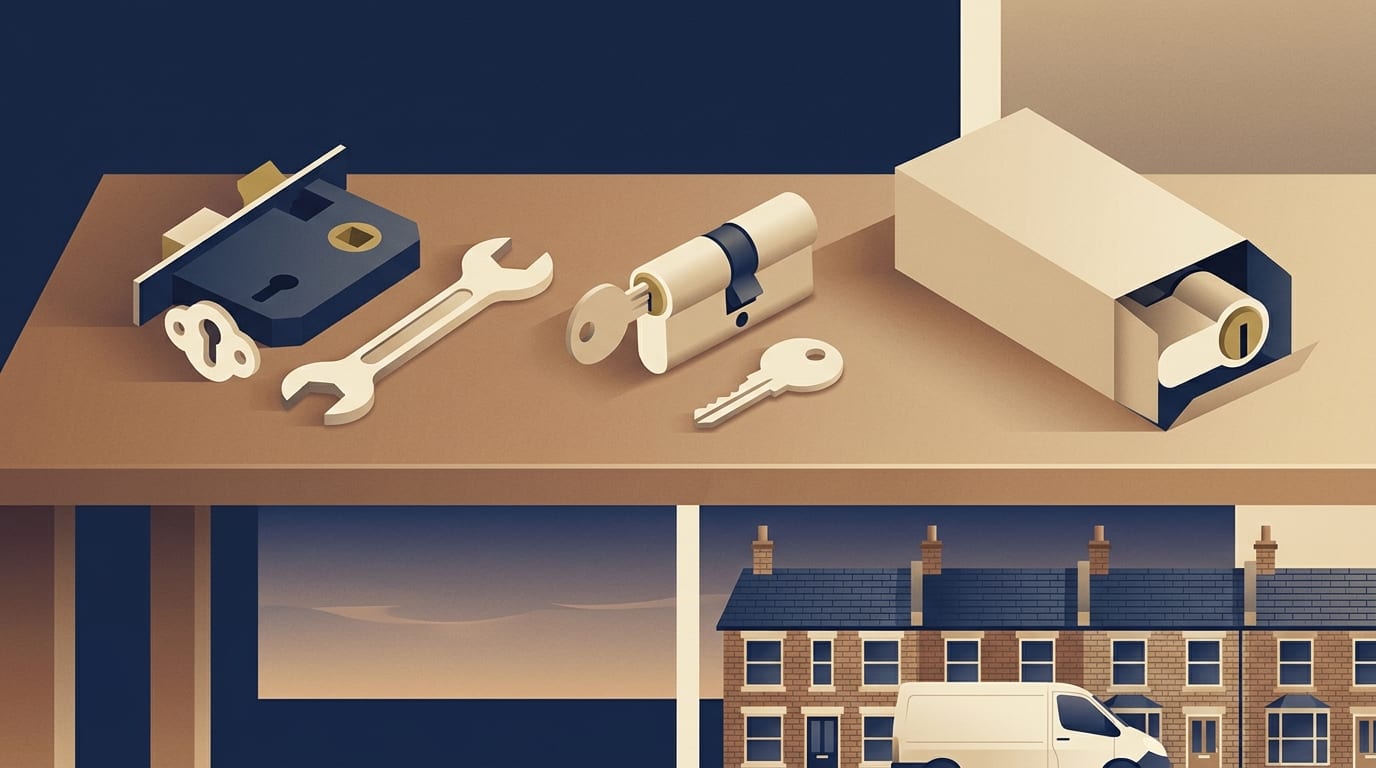
If you have a timber door, it will usually have a mortice deadlock and sashlock fitted inside the wood. BS3621 is the British Standard for mortice and rim locks on timber doors, shown by a Kitemark on the lock faceplate. The surface latch higher up on a timber door is a night latch or rim lock, often called a Yale lock. The part on the outside where the key goes in is the rim cylinder.
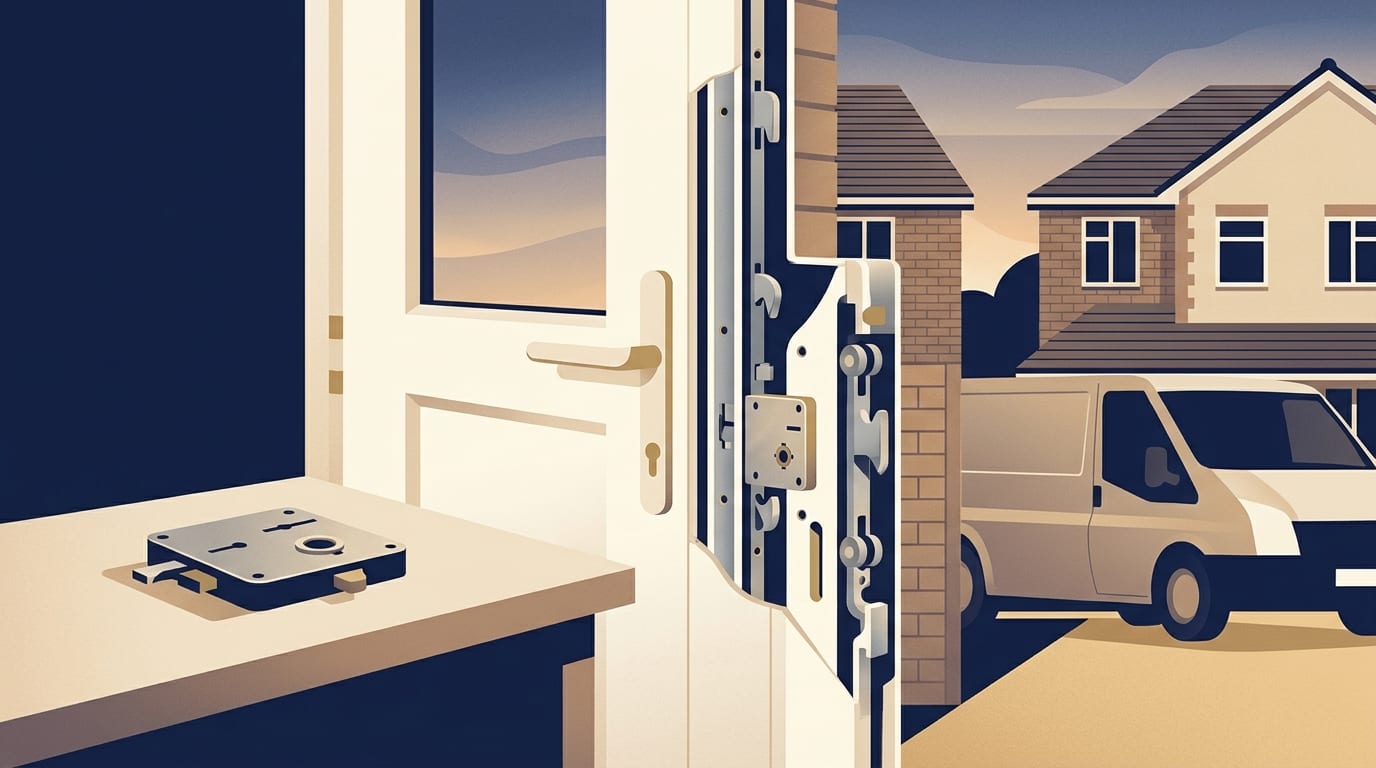
If you have a uPVC or composite door, it will have a multipoint locking mechanism. This is the strip of hooks and bolts worked by lifting the handle. The central part of that mechanism is the gearbox. The barrel that takes the key is the euro cylinder.
Lock snapping is a known weakness of euro cylinders. The snap resistant standards to look for are TS007 three star, or a one-star cylinder with two-star handles, and Sold Secure SS312 Diamond. A good locksmith will fit these to protect your home. You can also ask to have your locks keyed alike, which means one key will open all your doors.
When you are locked out, a good locksmith will use non destructive entry. This means picking or bypassing the lock rather than drilling it. If your door or window has been smashed in a break in, the locksmith will offer a boarding up service to secure the property until new glass is fitted.
Can it wait until the morning
Before you agree to an emergency night rate, consider whether the job can wait until normal working hours. If you are safe inside and the property is secure, a daytime booking will cost less. You can check how much a locksmith costs during the day to see the difference.
If you are locked out but have a key left with a neighbour, it might be cheaper and easier to wait until they wake up. A broken internal door lock can usually wait until the morning, but a window that will not close is a security risk, so use the same test of whether the property is secure.
However, some situations mean you must call now. A front door that will not lock at night, a break in, or a vulnerable person trapped inside are all genuine emergencies. If your home is not secure, paying the out-of-hours rate is the right decision.
Staying safe while you wait
If you are locked out in the cold or waiting with children, do not take risks to get in. Never try to break a window or climb a drainpipe to access an upper floor. A broken window is dangerous and can cost more than a call-out.
If you are a tenant and your landlord has changed the locks to keep you out without a court order, that may be an illegal eviction, which is a criminal offence. Tenants should check their tenancy agreement and get the landlord's agreement before changing locks themselves. Keep these legal points in mind and speak to Citizens Advice or Shelter for your own situation.
While you wait for the locksmith, wait in your car if you have the keys, or ask a neighbour if you can wait in their home. If you are stuck outside in a vulnerable situation, read our advice on what to do when locked out and need an emergency locksmith.
Cancelling and your rights
When you hire a tradesperson, you have rights under UK law. Under the Consumer Rights Act 2015 a service must be carried out with reasonable care and skill, at a reasonable price if none was agreed, and within a reasonable time. You have a right to have poor work put right or your money back.
Under the Consumer Contracts Regulations 2013, there is normally a 14-day cancellation period for work arranged at home or by phone. Citizens Advice confirms this cooling-off period applies for services arranged online, over the phone or by mail order, or if approached away from the business premises for a service costing £42 or more.
However, there is an important exception for emergency call outs. The cancellation right does not apply to contracts where the consumer has specifically requested the trader to call to carry out urgent repairs or maintenance. If you specifically ask a locksmith to come out to fix a broken door urgently, the 14-day cancellation right normally will not apply, but check with Citizens Advice for your own situation.
This exception does not apply to extra work sold during that visit. If the locksmith tries to sell you a new security alarm or extra locks while fixing your door, the exception does not cover those extra goods, so the normal 14-day right can apply to them. You must expressly agree to any extra charges, and you will not be liable for additional payments you have not actively consented to.
Common questions
How much is a locksmith callout cost?
Most emergency locksmiths do not charge a separate call-out fee, and instead charge an hourly labour rate, with the MLA guide giving from around £85 in the day and from £105 after 8pm. If they do charge a call-out fee, ask if it includes the first hour of labour. Always check if VAT is included in the price they quote.
Will the locksmith have to drill my lock?
Drilling is usually a last resort. A fully trained professional will attempt non destructive entry first by picking or bypassing the lock. If a locksmith arrives and immediately reaches for a drill without trying other methods, ask why drilling is needed and whether the lock could be opened without damage.
Does a 24-hour locksmith carry spare parts?
Many do carry common parts, but ask before they come. They should be able to supply British Standard BS3621 mortice locks for timber doors and snap resistant TS007 three-star or SS312 Diamond euro cylinders for uPVC doors.
Do I need an auto locksmith for a car key?
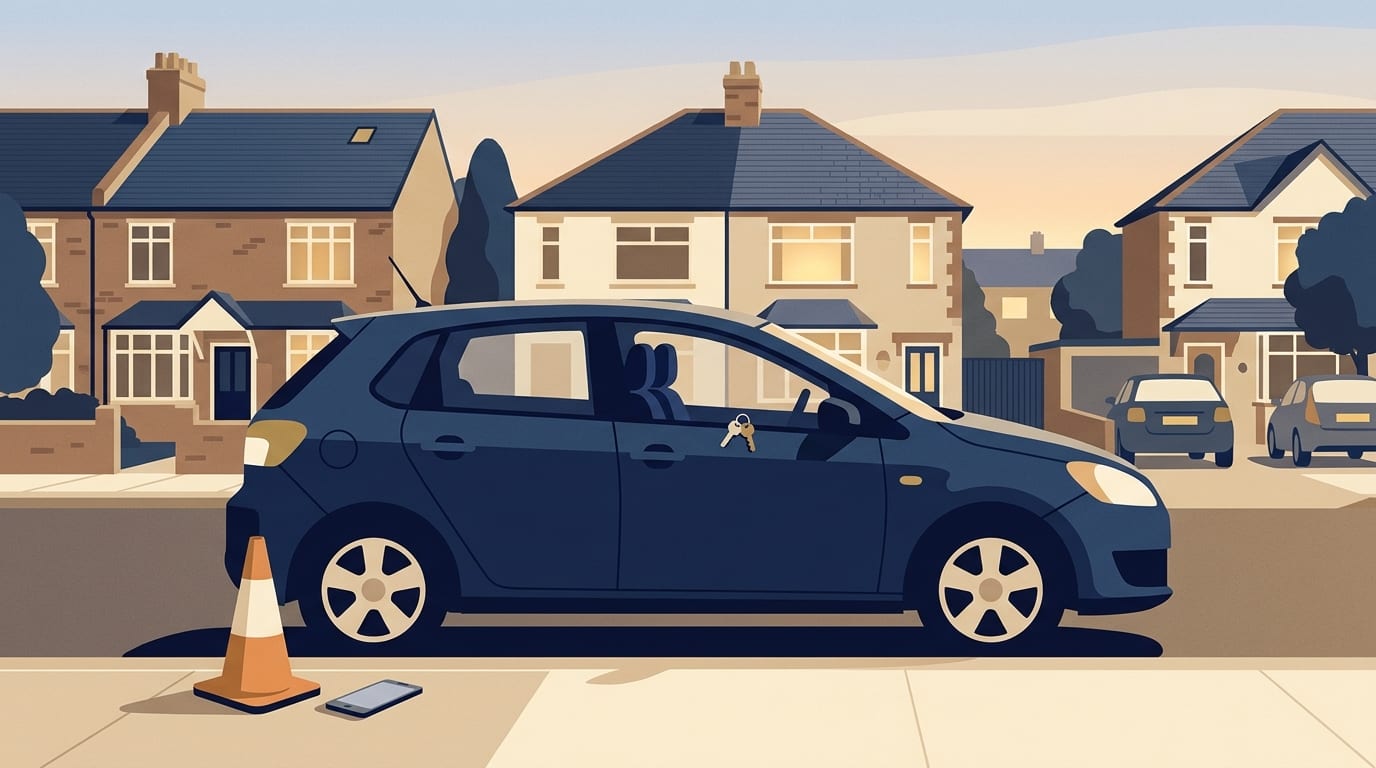
Yes, auto locksmiths are a separate specialism. If your car key has stopped working, is locked inside the vehicle, or is lost, you need an auto locksmith who has the equipment for vehicle entry, transponder programming and remote key cutting.
Next steps
When you are facing an emergency at night or at the weekend, taking a moment to check the details will save you a lot of money and stress. Follow this simple checklist before you agree to a visit:
- Decide if the job is a true emergency or if it can wait for a cheaper daytime booking.
- Ask for a total price over the phone, including parts, labour, the out-of-hours charge and VAT.
- Ask how entry will be gained and whether they intend to drill the lock.
- Check the business has a real local address and reviews over time.
- Ask for the name of the person coming and request ID on arrival.
- Ask for a written invoice before you hand over any payment.
If you need urgent help from a vetted local professional, you can search our directory to find a locksmith near you.
Find a top rated locksmith near you
1,787 locksmiths across the UK, each ranked on their Google rating and the number of reviews behind it. Start with your county: